By Divine Sam
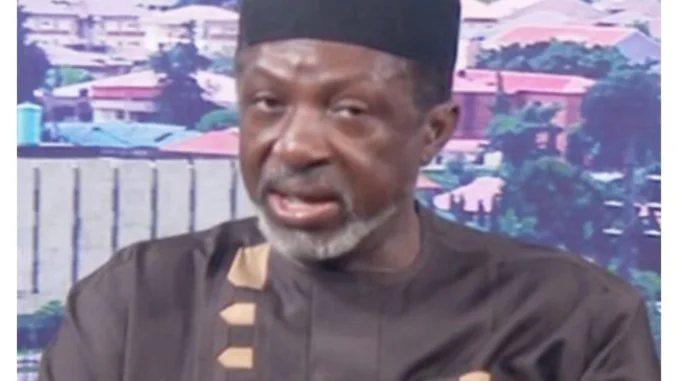
Paul Ibe, media aide to former Vice President Atiku Abubakar, has taken a swipe at President Bola Tinubu over his receipt of seven volumes of the proposed 2027 United Nations budget, questioning how the development would address the economic difficulties confronting Nigerians.
Ibe, who made the remarks in a post on X, sarcastically congratulated the President while drawing attention to the rising cost of food, fuel and transportation across the country.
He questioned the practical benefits of the documents to ordinary Nigerians struggling to meet their daily needs, particularly amid concerns over declining purchasing power and rising household expenses.
“Which volume will reduce the price of bread, rice, beans, yam, tomatoes and pepper?” he asked.
The ADC chieftain’s media aide also questioned whether the documents would lead to lower petrol and diesel prices, reduced transport fares or improved living conditions for citizens.
In his post, Ibe described the economic difficulties facing Nigerians as the country’s own “seven volumes,” highlighting expensive food, high fuel costs, rising transportation expenses, dwindling purchasing power and empty pockets.
“Nigerians cannot eat diplomatic ceremonies, cook presidential photographs or fuel their vehicles with international documents,” Ibe wrote.
He added: “After all, seven volumes of the UN budget cannot fill one empty stomach.”
Ibe’s comments followed the presentation of the seven-volume proposed 2027 UN budget to President Tinubu by Nigeria’s Permanent Representative to the United Nations, Jimoh Ibrahim, at the State House in Abuja on Sunday, October 18, 2026.
The exchange has brought the focus back to the economic concerns of households, with Ibe using the occasion to question the connection between diplomatic engagements and the everyday financial struggles of Nigerians.
While the presentation involved Nigeria’s engagement with the United Nations, Ibe’s criticism centred on the need for government activities to translate into tangible benefits for citizens, particularly in the areas of food affordability, transportation and purchasing power.
Leave a Reply