By Divine Sam
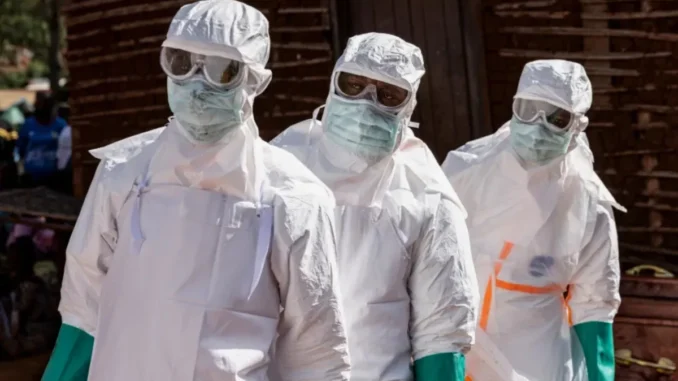
The Nigerian Senate has called on the Federal Government to release emergency funds to strengthen the country’s disease surveillance system and prevent the possible entry of Ebola and other infectious diseases.
The lawmakers want compulsory health screening introduced for all international travellers arriving in Nigeria through airports, seaports and designated land borders, regardless of their nationality or country of departure.
The resolution followed a motion of urgent national importance sponsored by Senator Francis Faduyile, who raised concerns about the spread of the Bundibugyo Ebola virus and the potential danger it poses to Nigeria’s public health system.
Faduyile noted that the outbreak, which originated in the Democratic Republic of Congo (DRC), had spread to other African countries, including Uganda and Kenya. He warned that the movement of travellers through transit countries could create opportunities for infected persons to enter Nigeria undetected.
The senator also cited an assessment by the Nigeria Centre for Disease Control and Prevention (NCDC), which identified a high risk of Ebola being imported into the country.
He recalled Nigeria’s experience during the 2014 Ebola outbreak, when an infected traveller brought the virus into Lagos, stressing the importance of strengthening preventive measures at the nation’s entry points.
While acknowledging the Federal Government’s existing efforts, including health declaration forms and increased surveillance, the Senate expressed concern that current screening arrangements largely focus on travellers arriving from selected countries.
According to the lawmakers, such limited coverage could leave gaps in the country’s disease surveillance system and increase the risk of infectious diseases entering Nigeria undetected.
The Senate also raised concerns about shortages of trained personnel and essential screening equipment at some entry points. It further noted that Port Health Services continues to operate under the Quarantine Act of 1926, which the lawmakers believe needs to be updated to reflect present-day public health challenges.
With Nigeria already battling diseases such as Lassa fever, cholera and diphtheria, the Senate warned that stronger preparedness measures are necessary to protect public health and prevent another major outbreak.
As part of its recommendations, the chamber directed the Federal Ministry of Health and Social Welfare, the NCDC and Port Health Services to ensure that all international passengers arriving in Nigeria undergo mandatory health screening.
The proposed screening measures include completing health declaration forms, checking passengers’ temperatures and assessing them for symptoms associated with infectious diseases.
The Senate also called for more thorough checks on travellers who had visited or passed through affected areas within the previous 21 days.
In addition, the lawmakers recommended that departure screening be introduced for passengers leaving Nigeria whenever a public health emergency has been declared.
The Federal Ministry of Health and Social Welfare, the Federal Airports Authority of Nigeria (FAAN) and the Nigeria Immigration Service were also urged to ensure that airports, seaports and designated land borders have enough trained Port Health officers, thermal scanners, protective equipment and isolation facilities.
The Senate further stressed the need to equip isolation and treatment centres across Nigeria’s 36 states and the Federal Capital Territory (FCT) to ensure they can respond effectively to any potential outbreak.
On legislative reforms, the lawmakers called for the replacement of the Quarantine Act of 1926 with a modern public health law that aligns with the International Health Regulations of 2005.
They also urged the ministries responsible for finance, budget and economic planning to make adequate provisions for the NCDC and Port Health Services in the 2027 budget.
The Senate called for the release of outstanding funds owed to the relevant agencies, noting that sufficient financing would help improve disease surveillance, strengthen emergency preparedness and boost Nigeria’s ability to respond swiftly to public health threats.
The move comes amid growing concerns about the spread of infectious diseases across borders and the need for Nigeria to strengthen its defences against potential health emergencies.
Leave a Reply