By Divine Sam
President Bola Tinubu has defended his decision to remove the fuel subsidy in 2023, insisting that the move was necessary to prevent Nigeria from going bankrupt.
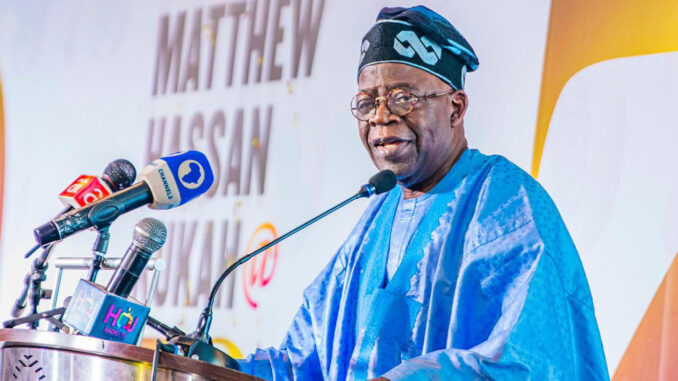
Tinubu made the remarks on Monday during a meeting with members of the City Boys Movement in Abuja, where he explained the financial concerns that informed his decision shortly after assuming office.
According to the President, the government could no longer sustain the subsidy payments, which he said had placed the country in a difficult financial position.
Explaining his decision, Tinubu said: “I came and I removed subsidy the first day, Nigeria will not go bankrupt because there is nothing left to pay subsidy.
“I listen to my political opponents promising a return to subsidy but I remember my scripture studies in either the Bible or the Holy Quran.”
The President’s comments come as opposition figures begin outlining their economic plans ahead of the 2027 presidential election, with some promising to restore fuel subsidies to ease the financial burden on Nigerians.
Tinubu, however, dismissed the opposition’s promises, maintaining that his administration would focus on presenting ideas and policies aimed at moving the country forward.
“We will campaign with ideas, original thoughts and thinking to move this country forward,” he added.
The President had announced the removal of the fuel subsidy during his inauguration on May 29, 2023, a decision that triggered a sharp increase in petrol prices and intensified concerns over the rising cost of living.
At the time, Tinubu argued that the subsidy arrangement benefited only a small section of the population rather than serving the broader interests of Nigerians.
Since its removal, the policy has remained a major subject of national debate, with Nigerians continuing to grapple with higher transportation costs and the rising prices of goods and services.
With the 2027 elections approaching, the future of fuel subsidy is expected to remain a key issue in political campaigns, as the ruling party and opposition parties present competing proposals on how to address the country’s economic challenges and reduce the pressure on households.
Leave a Reply